

『Tianjin Vortex Flow Meter』Related information(clamp on meter|electromagnetic meter|venturi meterrotameter|orifice meter|ultrasonic flow meter|mass flow meter|coriolis mass flow meter|coriolis flow meter|magnetic flow meter|magmeter flow meter|magflow flow meter|mag meter flow meter|electromagnetic flow meter|vortex flow meter|turbine flow meter|thermal mass flow meter|thermal flow meter|rotameter flow meter)
1. Calibration of Vortex Flow Meter
The calibration of vortex flow meters is an important step to ensure their accuracy and legality during use, mainly carried out through two methods: the standard meter method and the bell jar method. Standard table method: Principle: Connect the vortex flowmeter as a standard with the tested flowmeter in series, and calculate the error of the tested flowmeter by comparing the readings of the two. Scope of application: Suitable for various fluids and liquids of different viscosities. Advantages: Installed in a closed system, it can reduce time measurement errors; Having the advantages of online verification and serving as a measurement standard for closed pipelines; High degree of automation, compact equipment, and low cost. Attention: The accuracy and stability of the standard table itself need to be regularly monitored. Bell jar method: Principle: The device based on lead stove and volumetric method calculates the flow rate by measuring the change in gas volume when the bell jar rises or falls. Scope of application: Suitable for calibrating air flow meters that are close to atmospheric pressure, such as gas meters and wet gas flow meters. The verification flow range is relatively small, with an accuracy between 0.2% and 0.5%. Attention: When using a water sealed bell jar for exhaust calibration, it is necessary to consider the possible errors caused by water vapor condensation when the temperature of the flowmeter being tested is lower than the water temperature. In practical applications, it is necessary to select an appropriate calibration method based on factors such as the usage scenario, fluid type, and calibration requirements of the vortex flowmeter.
2. Can v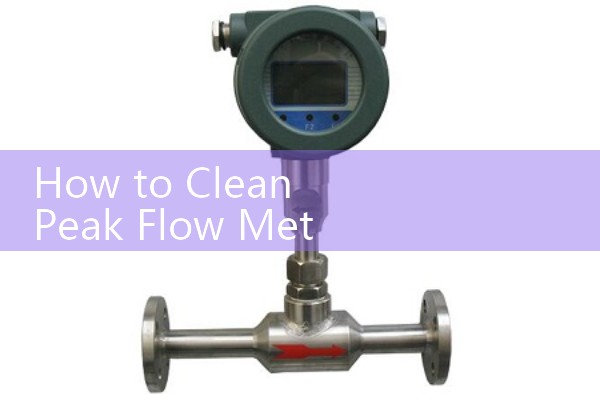
Vortex flowmeters can be installed vertically, but some installation points need to be noted.
. Firstly, vortex flowmeters are feasible for vertical installation. However, in order to ensure the accuracy and stability of the measurement, special attention should be paid to the following points:1. Avoid the influence of sediment and bubbles: When installed vertically, ensure that there is no accumulation of sediment or bubbles inside the flowmeter, as these factors may interfere with the measurement accuracy of the flowmeter.
. Chenzai rubber residue may adhere to the measuring electrode of the flowmeter, causing signal distortion; Bubbles may generate false flow signals. 2. Keep the electrode axis horizontal: Although vortex flowmeters can be installed vertically, it is recommended to keep the measuring electrode axis horizontal to better avoid the influence of sediment and bubbles. This can minimize the interference of sediment and bubbles on the measuring electrode, thereby improving the accuracy of the measurement. Interpretation 3: Consider the effects of turbulence and eddies: It should be noted that the measurement of vortex flowmeters, such as the key principle, does not depend on the characteristics of the flow rate. Therefore, if certain turbulence and eddies are generated in the pipeline, as long as these turbulence and eddies occur in the non measurement area, they will not have a direct impact on the measurement. However, in practical applications, it is still advisable to avoid excessive turbulence and eddies as much as possible to ensure the stability of the measurement. In summary, vortex flowmeters can be installed vertically, but it should be Hot News
 Related AD