

_500x500.jpg)
『Leak Flow Meter Systems: Implementing Smart IoT Differential Totalizers for Factory Lines』Related information(clamp on meter|electromagnetic meter|venturi meterrotameter|orifice meter|ultrasonic flow meter|mass flow meter|coriolis mass flow meter|coriolis flow meter|magnetic flow meter|magmeter flow meter|magflow flow meter|mag meter flow meter|electromagnetic flow meter|vortex flow meter|turbine flow meter|thermal mass flow meter|thermal flow meter|rotameter flow meter)
Leak Flow Meter Systems Implementing Smart IoT Differential Totalizers for Factory Lines
Quick Answer: A leak flow meter system with a smart IoT differential totalizer gives factory teams direct visibility of branch line flow, idle line losses, and totalized consumption. Silver Automation Instruments supplies the metering loop, the totalizer, and the IoT gateway with 4-20 mA HART, Modbus RTU, or cellular output. This setup suits water, steam, compressed air, and chemical lines from DN10 to DN300.
What a Leak Flow Meter System Actually Measures
A leak flow meter system is not a single device. It is a small metering loop. The loop may include a differential pressure transmitter, a PT100 sensor, a flow computer or totalizer, and an IoT transmitter. On factory lines, this system often sits on a cooling water return pipe, a compressed air branch, or a solvent recovery line.
The smart differential totalizer reads the DP signal from an orifice plate, a wedge meter, or an averaging pitot tube. It converts DP into flow rate. It also integrates flow over time. Because the totalizer stores data, plant staff can read daily totals, peak flow, and minimum flow. A leak alarm triggers when flow does not fall to zero during non-production hours.
How Smart IoT Differential Totalizers Work on Factory Lines
Here is the thing. Many factory lines have one main flow meter at the inlet. Branch line leaks stay hidden because the main meter sees them as small noise. A smart IoT differential totalizer on each branch changes that. It sends a data packet every 5 minutes or every 15 minutes to a web dashboard or the plant SCADA.
In practice, a food plant in Vietnam installed a leak flow meter system on a hot water cleaning line. The pipe was DN40. Normal flow was 1.5 to 4 cubic meters per hour. The system detected a 0.2 cubic meter per hour bypass flow during idle hours. The plant found a worn valve seat. The repair cost was under 300 US dollars. The leak would have wasted over 1,700 cubic meters of hot water per year.
Installation Data Engineers Need
For a factory line quotation, send four numbers. Send the line pressure in bar, the fluid temperature in °C, the pipe size in DN, and the normal plus minimum flow range in kg/h or m3/h. For steam or gas, include operating pressure and temperature. For liquid chemicals, include viscosity in cP and conductivity in µS/cm if available.
Silver Automation Instruments recommends a differential totalizer with 4-20 mA HART input from the DP transmitter and a PT100 input for temperature compensation. The output can be Modbus RTU, Modbus TCP, or a 4G NB-IoT signal. For hazardous zones, we supply enclosures rated for ATEX Zone 1 or Zone 2.
Product Recommendations from Silver Automation Instruments
Silver Instruments supplies both the sensing element and the IoT totalizer. For clean water and cooling water lines from DN15 to DN300, we recommend an electromagnetic flow meter with pu
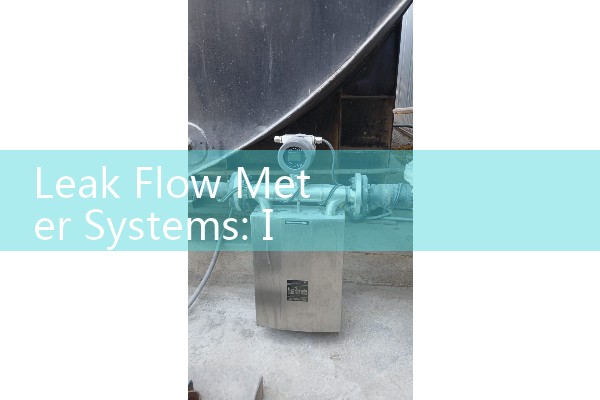
For leak detection on small lines from DN10 to DN50, an oval gear flow meter or a Coriolis mass flow meter works well. The oval gear meter handles viscous fluids from 1 cP to 10,000 cP. The Coriolis meter handles mass flow from 0.1 kg/h to 30,000 kg/h. Both can send pulse, 4-20 mA, or Modbus to the IoT totalizer.
How the Data Reaches Your Team
Most engineers skip this part. Mount the IoT antenna with a clear path to the cellular tower. A metal cabinet can block the signal. The smart IoT totalizer can be mounted near the pipe. It stores up to 12 months of hourly data. If the cellular signal is weak, use an RS485 cable to a plant gateway. The dashboard shows flow rate, daily total, monthly total, and leak alarms. The system can send email alerts or WhatsApp messages when flow exceeds a set point during idle hours.
A water treatment customer in the Middle East used this setup on a filter backwash line. The pipe was DN80. Normal backwash flow was 35 cubic meters per hour. The IoT totalizer recorded the duration and volume of each backwash cycle. This removed a manual logbook. The plant now checks backwash water use from a phone in under one minute.
FAQ: Leak Flow Meter Systems and Smart IoT Differential Totalizers
What is the difference between a flow meter and a totalizer?
A flow meter gives real-time flow rate. A totalizer adds the volume or mass over time. A smart IoT differential totalizer combines both functions and sends the data to a network.
Can a leak flow meter system detect small drips?
It depends on pipe size and meter technology. An oval gear meter can detect flow as low as 0.02 L/min on a DN15 line. A thermal mass flow meter can detect very low gas flow. For large pipes, a DP system works better above 0.5 cubic meters per hour.
Do we need to shut down the line for installation?
Clamp-on ultrasonic flow meters are available for temporary checks. In-line meters need a pipe spool or a flange connection. Hot-tap insertion meters can be installed on some lines up to DN600. Shutdown is often less than one shift for small lines.
Which industries use these systems the most?
Food and beverage plants use them for CIP water and cleaning lines. Chemical plants use them for solvent recovery and cooling water. Water and wastewater plants use them for filter backwash and chemical dosing. Oil and gas sites use them for fuel gas and purge flow.
How do we get a quotation from Silver Automation Instruments?
Send us your line pressure in bar, fluid temperature in °C, pipe size DN, and flow range. Our engineers will recommend a sensor type and an IoT totalizer model. Tel: +86-25-68650347. WhatsApp: +86-25-52155837. WeChat: +86 15365082610.
 Hot Product
 Related AD