

_500x500.jpg)
『Selection of Shanxi Quality Flow Meter』Related information(clamp on meter|electromagnetic meter|venturi meterrotameter|orifice meter|ultrasonic flow meter|mass flow meter|coriolis mass flow meter|coriolis flow meter|magnetic flow meter|magmeter flow meter|magflow flow meter|mag meter flow meter|electromagnetic flow meter|vortex flow meter|turbine flow meter|thermal mass flow meter|thermal flow meter|rotameter flow meter)
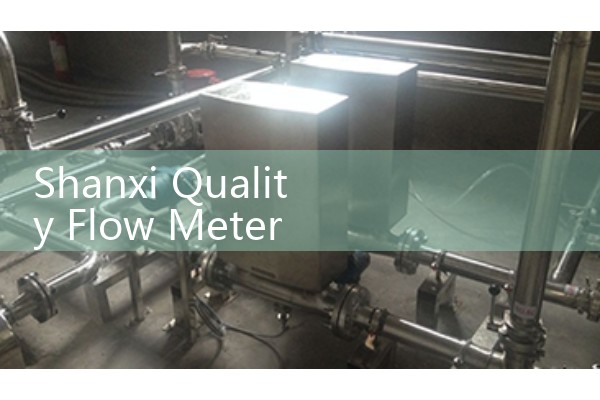
How to choose a flow meter?
2. Types and Differences of Flowmeters
Flowmeters are mainly divided into volumetric, velocity, differential pressure, mass, and other categories based on their measurement principles. The core differences lie in their working principles, applicable dielectric properties, and accuracy characteristics.. 1. Working principle of volumetric flowmeter: The fluid is divided into fixed volume units by mechanical measuring elements, and the flow rate is calculated by counting the number of units. Representative types: elliptical gear, waist wheel, scraper flowmeter. Applicable medium: high viscosity liquids (such as oils, chemical reagents). Accuracy: ± 0.2%~± 0.5% (higher). Characteristics: Sensitive to changes in fluid viscosity, filters need to be installed to prevent jamming. Working principle of velocity flowmeter: flow rate is derived by measuring fluid velocity, usually requiring matching pipeline size data. Representative type: • Electromagnetic flowmeter: Based on Faradays law of electromagnetic induction, it measures conductive liquids (such as water, acidic and alkaline solutions) with an accuracy of ± 0.2%~± 0.5% and no pressure loss. Turbine flowmeter: By driving the turbine to rotate with fluid, it measures low viscosity liquids or gases (such as tap water and natural gas) with an accuracy of ± 0.5%~± 1%, requiring a straight pipe section. • Ultrasonic flowmeter: uses the time difference of sound waves propagating in the fluid to measure speed, suitable for large-diameter pipelines (such as municipal water supply), with an accuracy of ± 1%~± 2%, and can be externally clamped.
3. Differential pressure flowmeter working principle: Based on the Bernoulli equat
5. Other special types • Vortex flowmeter: measures steam, gas or liquid flow rate by detecting vortex shedding frequency, with an accuracy of ± 1%, and is resistant to high temperature and high pressure. Rotary flowmeter: based on the change of float position to measure small flow liquids or gases, with an accuracy of ± 1%~± 2.5%, commonly used in laboratories. Key selection factors comparison: | Type | Typical accuracy | Applicable medium | Installation requirements | Pressure loss situation | | ----------------------------------------------------------------------------------------------------------------------------------------------------------------------------------Pressure loss | | Coriolis | ± 0.1%~± 0.2% | Liquid/Gas/Slurry | No straight pipe requiremen
 Hot Product
 Related AD