

『Endress Hauser Water Flow Meter Selection: Choosing Electromagnetic vs Ultrasonic Systems』Related information(clamp on meter|electromagnetic meter|venturi meterrotameter|orifice meter|ultrasonic flow meter|mass flow meter|coriolis mass flow meter|coriolis flow meter|magnetic flow meter|magmeter flow meter|magflow flow meter|mag meter flow meter|electromagnetic flow meter|vortex flow meter|turbine flow meter|thermal mass flow meter|thermal flow meter|rotameter flow meter)
Endress Hauser Water Flow Meter Selection: Choosing Electromagnetic vs Ultrasonic Systems
Quick Answer: Use an electromagnetic flow meter for conductive water and wastewater above 5 µS/cm. Use an ultrasonic flow meter for large pipe surveys, temporary checks, or ultrapure water with very low conductivity. Confirm pipe size, conductivity, temperature, pressure, and straight run before you buy.
Many engineers compare Endress Hauser electromagnetic and ultrasonic water flow meters for water treatment plants, desalination projects, and utility metering. Silver Automation Instruments supplies both meter types with direct factory pricing for customers in Southeast Asia, Oceania, Latin America, Africa, and the Middle East.
Start with Conductivity and Pipe Conditions
An electromagnetic flow meter only works when the liquid is conductive. Standard magmeters need at least 5 µS/cm. Tap water, river water, seawater, and most process water pass this limit. Demineralized water, boiler feed water, and reverse osmosis permeate often fall below 5 µS/cm. Ultrasonic meters handle those low conductivity lines because they do not rely on electrical conductivity.
Pipe size also changes the decision. Electromagnetic meters work from DN15 up to DN2000. Ultrasonic clamp-on meters cover DN25 to DN4000 in many projects. Above DN600, a clamp-on ultrasonic meter often avoids heavy lifting, welding, and long plant shutdowns.
Electromagnetic Flow Meters for Water and Wastewater
Electromagnetic flow meters measure volumetric flow using electromagnetic induction. There are no moving parts. A sensor has a liner and two electrodes. For water and wastewater, common liners are PTFE, hard rubber, and polyurethane. Electrode materials include 316L, Hastelloy, and titanium. A standard Silver Automation Instruments electromagnetic flow meter offers ±0.2 percent of reading and 4-20 mA HART output.
Choose a magmeter for billing, chemical dosing, filter backwash, sludge transfer, and raw water intake. For buried pump stations, select an IP68 remote sensor. For abrasive sludge, a hard rubber or polyurethane liner usually lasts longer than PTFE.
We have seen this on customer sites many times. A water utility in the Philippines installed a DN300 electromagnetic meter after a filtration basin. The water conductivity was about 120 µS/cm. The meter ran for four years without recalibration.
Ultrasonic Flow Meters for Water and Special Cases
Transit time ultrasonic meters send signals between two transducers. The downstream signal travels faster than the upstream signal. The meter calculates flow velocity from this time difference. This method works for clean water, demineralized water, and several non conductive liquids.
Clamp-on ultrasonic meters mount on the outside of the pipe. You do not cut the pipe or stop the process. That is why they are popular for large pipes, temporary flow surveys, and verification of existing meters. The trade-off is accuracy. A clamp-on meter typically delivers ±1 to ±3 percent of reading depending on pipe material, wall thickness, transducer spacing, and flow profile.
For a desalination plant in Oman, the seawater feed line can use an electromagnetic meter. The permeate water after reverse osmosis has very low conductivity. An ultrasonic meter handles that permeate line better. The same plant often needs both meter types because water chemistry changes across the process.
Key Comparison Points for Engin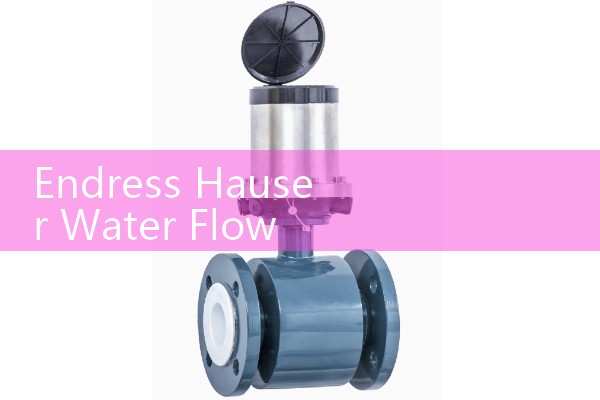
Accuracy favors the electromagnetic meter for custody transfer and tight process control. A magmeter with ±0.2 percent of reading is easier to justify for billing. A clamp-on ultrasonic meter with ±1 to ±3 percent is better for checks and diagnostics.
Installation differs by pipe access. An electromagnetic meter needs a pipe section with flanges or wafer mounting. You must shut down the line during installation in most cases. A clamp-on ultrasonic meter installs on the outside wall with coupling gel or pads. The pipe surface must be clean and smooth.
Cost changes with size and material. Electromagnetic meter cost increases quickly at large diameters because of the liner, electrodes, and body. Ultrasonic clamp-on cost stays moderate even at DN1000 or larger. But ultrasonic meters require straight run. Most engineers skip this part. You need 10D upstream and 5D downstream in many installations. Check your piping layout before you lock the model.
Maintenance is simple for both. There are no moving parts. Electrode coating can affect a magmeter. Air bubbles and high solids can affect a transit time ultrasonic meter. Match the technology to the actual water quality.
Model Suggestions from Silver Automation Instruments
Silver Automation Instruments offers the SIL-MAG electromagnetic flow meter series for water, wastewater, and chemical water treatment. Sizes cover DN15 to DN600 as standard. Liners include PTFE, hard rubber, and polyurethane. Electrode options include 316L and Hastelloy. Outputs include 4-20 mA, pulse, RS485, and HART.
For ultrasonic applications, the SIL-UF series includes clamp-on and insertion models. Clamp-on versions cover DN25 to DN1200. Insertion versions cover larger pipes and higher pressures. Both support 4-20 mA and optional data logging.
Do not send a general inquiry. Send us your pressure in bar, temperature in degrees Celsius, pipe size in DN, and flow range. We will return a model recommendation and budget price from our factory team.
Frequently Asked Questions
Which flow meter is better for wastewater with sludge?
Use an electromagnetic flow meter with a hard rubber or polyurethane liner. Avoid transit time ultrasonic meters if the water has high solids or gas bubbles.
Can an electromagnetic meter measure ultrapure water?
No. Ultrapure water conductivity is often below 1 µS/cm. Use an ultrasonic meter or another technology that does not require conductivity.
What accuracy can I expect from a clamp-on ultrasonic meter?
A well installed clamp-on meter typically delivers ±1 to ±3 percent of reading. Accuracy depends on pipe roundness, wall thickness, liner condition, and straight run.
Do I need to shut down the pipe to install an electromagnetic meter?
Yes in most cases. The meter body goes into the pipe. A clamp-on ultrasonic meter is the better choice when shutdown is not allowed.
What information should I prepare for a water flow meter quote?
Prepare pipe size in DN, water type, conductivity in µS/cm, pressure in bar, temperature in degrees Celsius, flow range, and output signal. This helps us recommend the right meter quickly.
Contact Silver Automation Instruments for water flow meter selection support. Tel: +86-25-68650347. WhatsApp: +86-25-52155837. WeChat: +86 15365082610. Our factory team responds to technical questions within 24 hours on business days.
 Hot News
 Related AD