

『Flowline Flow Meter Product Overview: Radar, Ultrasonic, and Volumetric Solutions for Chemical Tanks』Related information(clamp on meter|electromagnetic meter|venturi meterrotameter|orifice meter|ultrasonic flow meter|mass flow meter|coriolis mass flow meter|coriolis flow meter|magnetic flow meter|magmeter flow meter|magflow flow meter|mag meter flow meter|electromagnetic flow meter|vortex flow meter|turbine flow meter|thermal mass flow meter|thermal flow meter|rotameter flow meter)
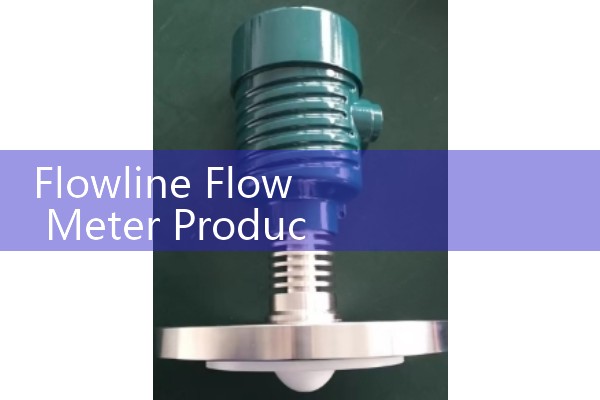
Flowline Flow Meter Product Overview: Radar, Ultrasonic, and Volumetric Solutions for Chemical Tanks
Quick Answer: This Flowline flow meter product overview covers three technologies for chemical tank duty. Radar flow meters give non-contact volume and open channel discharge data without touching corrosive liquid. Ultrasonic flow meters handle acid, solvent, and caustic transfer lines from DN15 to DN200. Oval gear volumetric meters deliver ±0.5 percent accuracy for resins, adhesives, and other viscous chemicals. Silver Automation Instruments supplies all three under the Flowline product range for chemical plants, water treatment sites, and paint manufacturers.
Radar Flow Meters for Chemical Tank Volume and Open Channel Discharge
Radar flow measurement works without a sensor touching the chemical. We often recommend an 80 GHz FMCW radar meter for sulfuric acid day tanks, caustic soda storage, and solvent waste pits. The meter sends a narrow beam, reads surface velocity or level data, and outputs a 4-20 mA HART signal. Because the antenna is PTFE coated, the vapors from hydrochloric acid or sodium hypochlorite do not damage the electronics. In practice, radar solves problems that ultrasonic models struggle with when there is foam, steam, or condensation above the liquid.
For open channel discharge from a chemical tank, radar velocity sensors measure flow in partially filled flumes or drainage channels. A plant in Malaysia used this setup for a 20 cubic meter hydrochloric acid neutralization tank. They needed a non-contact flow reading because the liquid contained abrasive solids. The radar meter gave stable output with no monthly cleaning.
Specify the tank nozzle size, operating temperature in °C, and vapor type when you send an inquiry. Radar works well in ATEX Zone 1 areas when you order the Ex d version.
Ultrasonic Flow Meters for Acid and Solvent Transfer Lines
Ultrasonic flow meters clamp onto existing pipes. They do not contact the chemical. This matters for hydrofluoric acid, nitric acid, and ammonia solutions. We supply clamp-on models for pipe sizes from DN15 to DN200. The transducer pair installs in 20 minutes on a clean pipe surface. Output options include 4-20 mA, pulse, and RS485 Modbus.
A food additives plant in Indonesia uses a clamp-on ultrasonic meter to measure 30 percent sodium hydroxide at 40 °C. The pipe is DN50 stainless steel. The reading stays stable because the liquid is clean and bubbles are minimal. Most engineers skip this part. But gas bubbles larger than 5 percent volume cause unstable readings. If your chemical releases gas, tell us before quoting.
Inline ultrasonic meters are also available for chemical dosing skids. They handle low flow from 0.1 L/h to 100 L/h. For a polymer preparation system, we often pair an inline ultrasonic flow meter with a PT100 temperature sensor to correct for temperature changes.
Volumetric Flow Meters for Resins, Polymers, and High Viscosity Chemicals
Volumetric flow meters are the right choice when the chemical is thick, sticky, or non-conductive. Oval gear flow meters work well for resins, adhesives, glycerin, and heavy fuel oil. We supply models with PPS gears, stainless steel bodies, and FKM or PTFE seals. The signal output is 4-20 mA or pulse. Accuracy can reach ±0.5 percent of reading for flows from 2 L/h to 1,000 L/h.
Here is the thing about viscous chemical batching. A turbine o
For solvents like toluene or methyl ethyl ketone, use an oval gear meter with stainless steel internals and an ATEX Zone 1 certificate. For food grade chemical additives, specify the 316L body and EPDM seal option.
How to Select a Flowline Flow Meter for Chemical Tank Duty
Start with the chemical name and concentration. Then define the flow range in kg/h or L/h. Add the operating temperature and pressure in bar. Select the wetted material. For strong acids, use PTFE or 316L. For high viscosity above 200 cP, use oval gear. For non-contact or temporary installation, use clamp-on ultrasonic. For open channel discharge, use radar.
Do not mix up tank level and line flow. A radar level meter gives volume inside the tank. A flow meter gives the rate of liquid entering or leaving the tank. Many processes need both. We can supply radar level transmitters and flow meters as one package. The signal outputs can feed the same PLC or paperless recorder.
We have seen this on customer sites many times. A chemical distributor in the Philippines chose a cheap paddle wheel meter for sodium hypochlorite transfer. The chemical attacked the O ring within three weeks. The replacement was a clamp-on ultrasonic meter with no wetted parts. That meter is still in service after 18 months.
Silver Instruments Support and Contact Details
Tell us the chemical name, concentration, operating temperature in °C, operating pressure in bar, pipe size DN, and required flow range. Also state the hazardous area classification if you need ATEX or IECEx. Send the details by phone or WhatsApp and get a same day technical recommendation.
Silver Automation Instruments
Tel: +86-25-68650347
WhatsApp: +86-25-52155837
WeChat: +86 15365082610
FAQ: Five Practical Questions on Chemical Tank Flow Measurement
Can radar flow meters measure aggressive chemicals inside a closed tank?
Yes. Use an 80 GHz FMCW radar meter with PTFE antenna. The radar meter measures level and volume from the top nozzle. For line flow, use inline flow meters instead.
Which ultrasonic flow meter works for a DN65 sulfuric acid line?
For clean acid with no bubbles, a clamp-on ultrasonic flow meter with CPVC or stainless steel transducers works. For very low flow, choose an inline ultrasonic meter with PTFE lining.
What is the best volumetric flow meter for viscosity above 1,000 cP?
An oval gear meter with PPS or stainless steel gears handles 1,000 cP and higher. Specify the seal material based on the solvent. PTFE seals cover most solvents and acids.
Do you supply flow meters for ATEX Zone 1 chemical tanks?
Yes. We supply radar, ultrasonic, and oval gear flow meters with ATEX Zone 1 or Zone 2 certificates. Tell us the gas group and temperature class.
What details do you need for a chemical tank flow meter quote?
Send chemical name, concentration, viscosity in cP, flow range in L/h, pipe size DN, pressure in bar, temperature in °C, and zone classification.
 Hot Blog
 Related AD