

『Flow meter specifications』Related information(clamp on meter|electromagnetic meter|venturi meterrotameter|orifice meter|ultrasonic flow meter|mass flow meter|coriolis mass flow meter|coriolis flow meter|magnetic flow meter|magmeter flow meter|magflow flow meter|mag meter flow meter|electromagnetic flow meter|vortex flow meter|turbine flow meter|thermal mass flow meter|thermal flow meter|rotameter flow meter)
1. Interpretation of the latest version of JJG1033-2025 Electromagnetic Flow Meter Calibration Regulations JJG1033-2025
JJG1033-2025 is the current latest version of the National Metrological Calibration Regulations for Electromagnetic Flow Meters, which clarifies the requirements for the entire process of electromagnetic flow meter calibration items, conditions, methods, etc., and delineates the clear scope of application and exclusion.
1. Scope of application: 1 Applicable for the initial calibration, subsequent calibration, and in-service inspection of electromagnetic flow meters for measuring the volume flow rate of conductive liquids (including liquid-solid two-phase fluids) in closed pipelines
2. Not suitable for flow meters for measuring gases, vapors, non-conductive liquids, as well as special electromagnetic flow meters for special working conditions such as strong corrosion, extremely high temperature and high pressure, and nuclear radiation environments (unless otherwise specified).
2. References: This regulation refers to JJF 1001 "General Measurement Terms and Definitions", JJF 1059.1 "Evaluation and Representation of Measurement Uncertainty", GB/T 18659 "Measurement of Conductive Liquid Flow in Closed Conduits - Electromagnetic Flowmeters", ISO 6817 "Measurement of Liquid Flow in Closed Conduits - Weighing and Volumetric Methods" and other documents.
. The referenced files with the date of the search and annotation are only applicable to the version of that date, and the referenced files without the date annotation are based on the latest version.Section 3: Definition of Terms specifies core terms such as electromagnetic flowmeter, initial calibration, subsequent ca
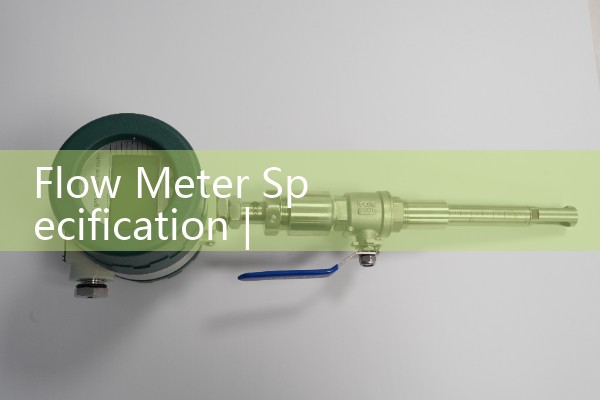
4. Equipment Composition and Application Characteristics (1) Equipment Composition: It mainly consists of two parts: sensors and converters.
. The sensor is installed on the tested pipeline, and when the conductive liquid flows through the measuring tube, an induced electromotive force proportional to the flow rate is generated between the electrodes; The converter amplifies and processes the induced electromotive force signal, converting it into a standard electrical signal or digital display value. (2) Application features: It has the characteristics of wide measurement range and low pressure loss, and can measure liquids with corrosiveness and suspended particles. It is widely used in flow measurement in industrial production, water conservancy, environmental protection and other fields.Fifth, Verification Conditions 1 Environmental conditions: The temperature inside the calibration room should be controlled at (5-35) ℃, and the temperature change rate should not exceed 1 ℃/h. The temperature in the sensor installation area should comply with the working temperature range indicated on the nameplate, and there should be no obvious airflow or direct sunlight; Relative humidity not exceeding 85% (at 20 ℃)
2. Power supply conditions: The voltage fluctuation of the power supply shall not exceed ± 10% of the rated voltage, and the frequency fluctuation shall not exceed
 Hot Blog
 Related AD